01
Start
Dima grew up in Kryvyi Rih — with football, dancing, and dreams of the sky. He graduated from flight school, tried his hand at various jobs, lived in Odessa for a while, but returned to his hometown. In 2019, he decided to go into service — he joined the patrol battalion.
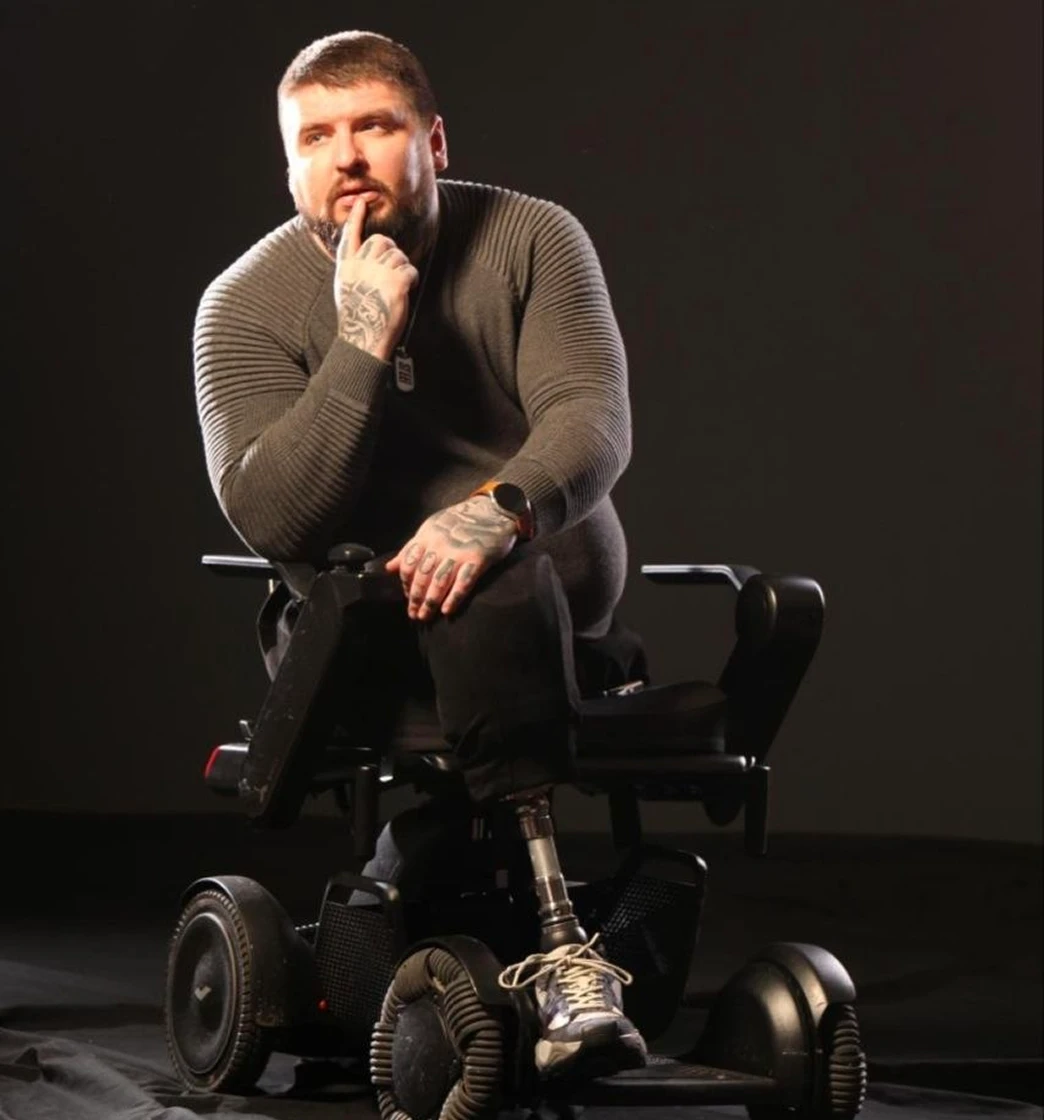
After the injury, in the first month only there were 25 operations. Sixty nine in total. “The pain was so bad that I simply couldn’t think about the future. I didn’t even think about what would happen next – it was so painful just to exist. When the pain subsided a little, I realized: life would never be the same again. And with realization, came depression.
People pulled me out. Friends, my mother, my girlfriend, who was by my side for the first three months. Television, filming, a new chapter — an opportunity to get distracted and see myself from a different perspective. Alexander Pedan and Nikita Alekseev supported me in such a way that it became increasingly difficult to return to dark thoughts. “At times everything was fine, at times I fell into depression again — but every time there was something to hold on to.”
02
Loss
— our goal
“Losing a limb is not the end of life, but only the beginning of a new one”
03
Team
The film “Steel”, shot during treatment, was an unexpected discovery for Dima. At first, he didn’t even realize that it would be a full-fledged film – his condition was too difficult. But when he saw the result, he honestly admitted to himself: “I saw how weak I was and how I didn’t believe in myself. And the end of the film showed what a person is capable of – even if he doesn’t know it himself.”
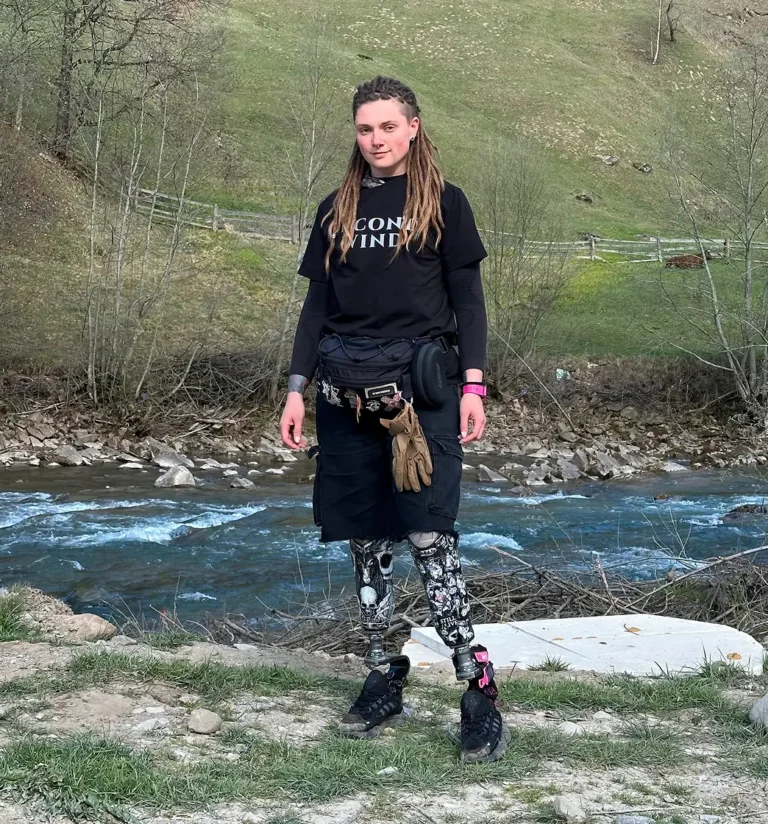
Alexander Pedan invited him to the Second Wind Club. Dima didn’t believe he could do it. The first climb seemed like Everest. But he managed it — and felt something that is difficult to put into words later. “I saw: anything is possible. Being in a team of people who understand you, laughing together, proving to yourself that you can do things without legs that others don’t — that’s what moving forward is.”
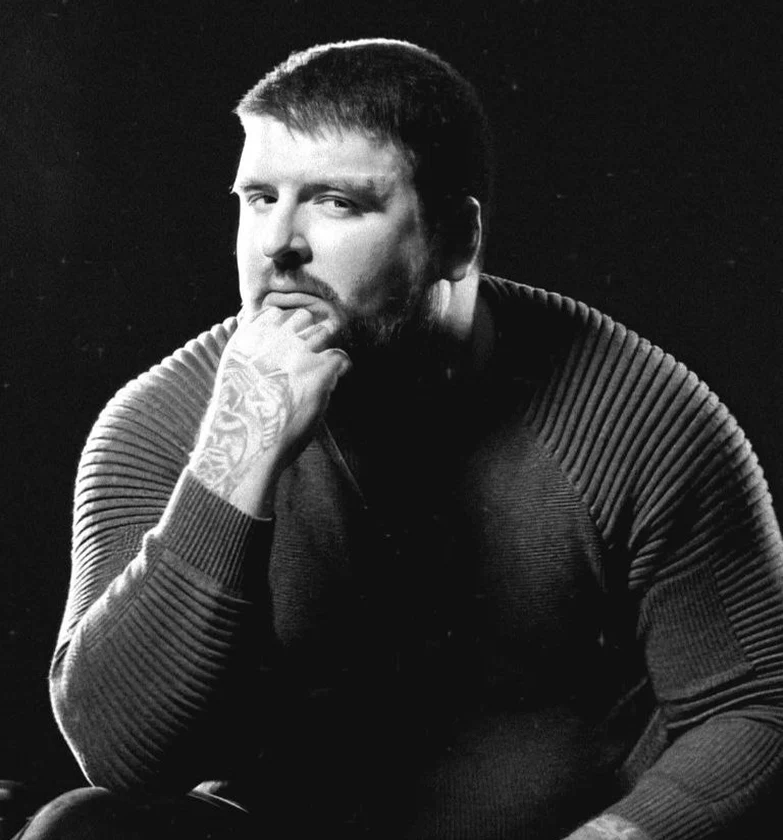
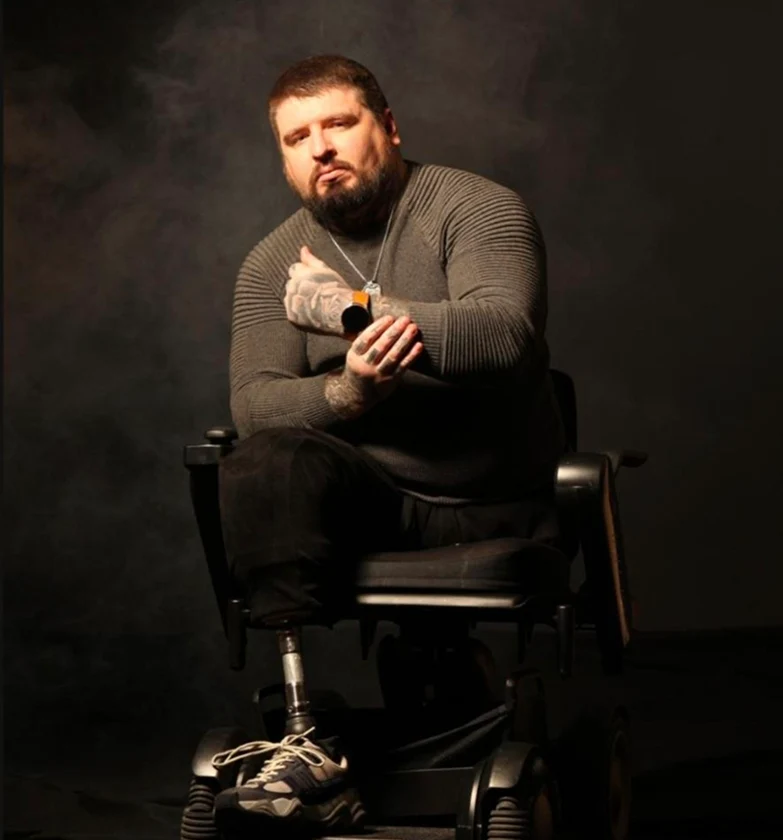
Now Dima dreams of conquering one of the peaks in the Carpathians on two prostheses. And from time to time he goes to the boys in the hospital – not with advice, but just to cheer them up. And to say what he knows for sure: “Move and don’t feel sorry for yourself. Losing a limb is not the end. This is the beginning of something new.”
04